 ManukaGuard
 26 August 2026
Manuka labels are crowded with numbers, letters, and badges, and most of it is designed to look impressive rather than to inform. Here is how to cut through it in under a minute.


Start with MGO
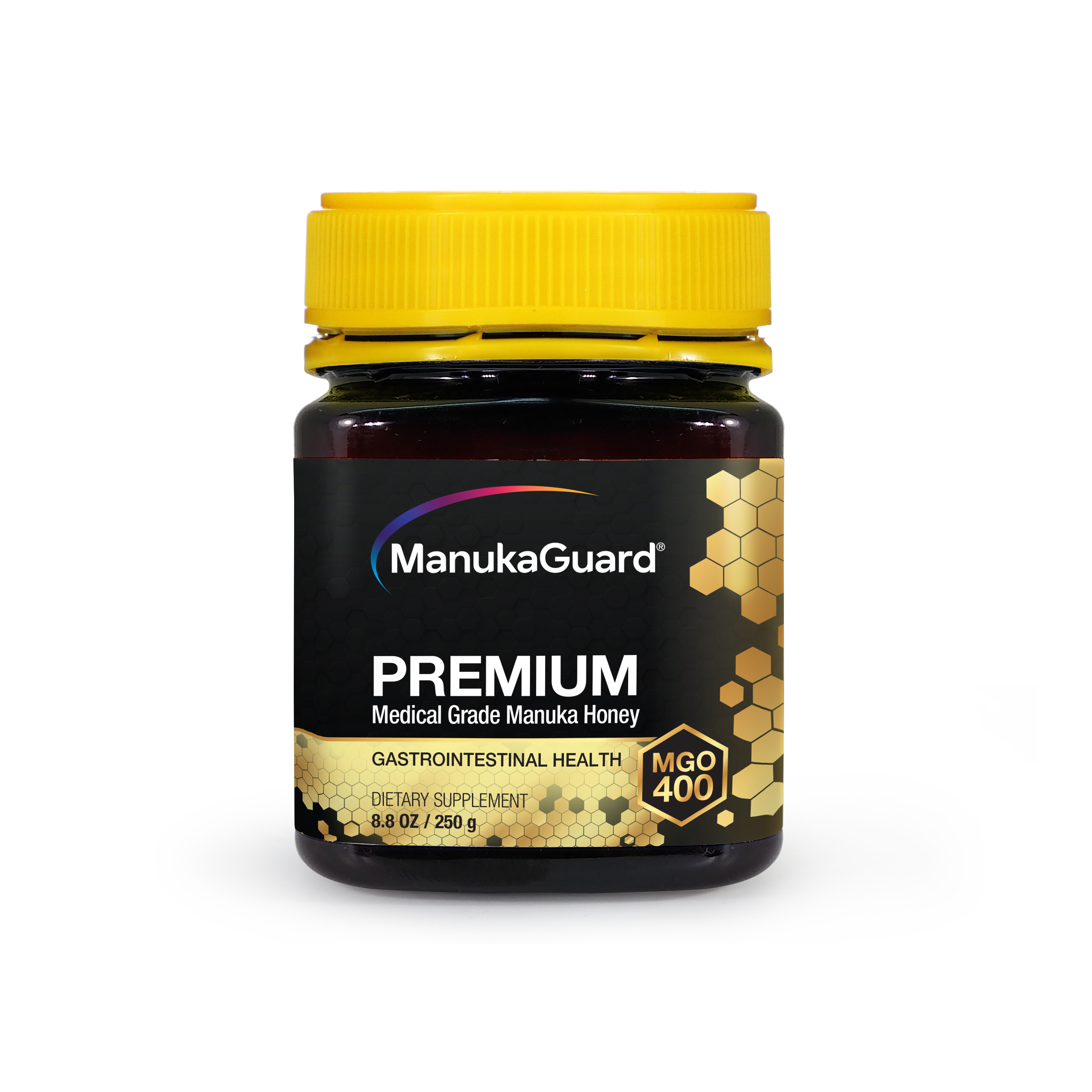
MGO is a number that tells you how much methylglyoxal, the compound manuka is known for, is in the jar. Higher MGO means a higher grade. It is the single most useful figure on the label because it is a direct measurement, not a marketing tier. If a jar hides its MGO, that tells you something.
For the chemistry behind that number, our sister publication ManukaBuzzz breaks it down in what MGO actually measures.
Understand UMF (it is a rating, not a different ingredient)
UMF is a quality rating system that bundles MGO with a couple of authenticity markers. A UMF number and an MGO number are two ways of describing related things, not two separate ingredients. You do not need both to choose well, but seeing them line up is a good sign.


Look for the authenticity marker
Real manuka carries natural markers that are hard to fake, the best known being leptosperin. Brands that test for it are showing their work. ManukaBuzzz covers why in the marker you cannot fake.
What to ignore
- Vague words like "premium," "active," or "pure" with no number behind them.
- "KFactor" and other in-house scores that only that brand uses.
- A big price with no MGO to justify it.
Match the grade to the use
You do not need the highest MGO for everyday use, and you do not want the lowest if grade matters to you. Pick the tier that fits how you will actually use it. You can compare a labelled, tiered range on our Manuka Honey collection.
One label, one minute: find the MGO, check for an authenticity marker, ignore the fluff.

 26.August.2026