Editorial Team
 15 November 2026
Quick Summary


Prebiotic foods are nondigestible fibers that feed the beneficial microorganisms already living in your gut. Once they reach the colon, these bacteria ferment them, and that process supports digestive health.
- Prebiotics are nondigestible food fibers that feed beneficial gut microorganisms.
- A 2026 review reports prebiotic supplementation consistently increased beneficial bacteria, including Bifidobacterium.
- Some people notice bloating or gas, especially when increasing intake quickly.
- Starting with small amounts and building up gradually is the practical approach.
- Common prebiotic foods include garlic, onions, bananas, oats and legumes.
Table of Contents
- How Prebiotic Foods Support Digestion
- Prebiotics vs Probiotics: What Is the Difference?
- List of Prebiotic and Probiotic Foods, and When to Eat Them
- Frequently Asked Questions
How Prebiotic Foods Support Digestion
Prebiotics are nondigestible food fibers that feed the beneficial microorganisms already living in your gut (Prebiotics: Definition, Types, Sources, Mechanisms, and Clinical Applications). Review describing prebiotics as nondigestible food fibers that support beneficial gut microorganisms Once they reach the colon, these bacteria ferment them, and the process supports digestive health. For practical steps, see how to use manuka honey for indigestion relief.
A 2026 review reports that prebiotic supplementation consistently increased beneficial bacteria, including Bifidobacterium. 2026 review on prebiotics and gut health mechanisms The effect sizes are not spelled out in the summary, so treat this as directional evidence rather than a precise benefit.
Because prebiotics are fermented rather than digested, they behave differently from most fiber. Many people tolerate them well, but some notice bloating or gas, especially when they increase intake quickly. Starting with small amounts and building up gradually is the practical approach. For a step-by-step plan, see healing the gut lining naturally.
Prebiotics vs Probiotics: What Is the Difference?
Prebiotics are the food, and probiotics are the bacteria. A prebiotic is a fiber your gut microbes ferment, while a probiotic is a live microorganism you consume. The two work together, which is why the combined term synbiotic exists.
List of Prebiotic and Probiotic Foods, and When to Eat Them
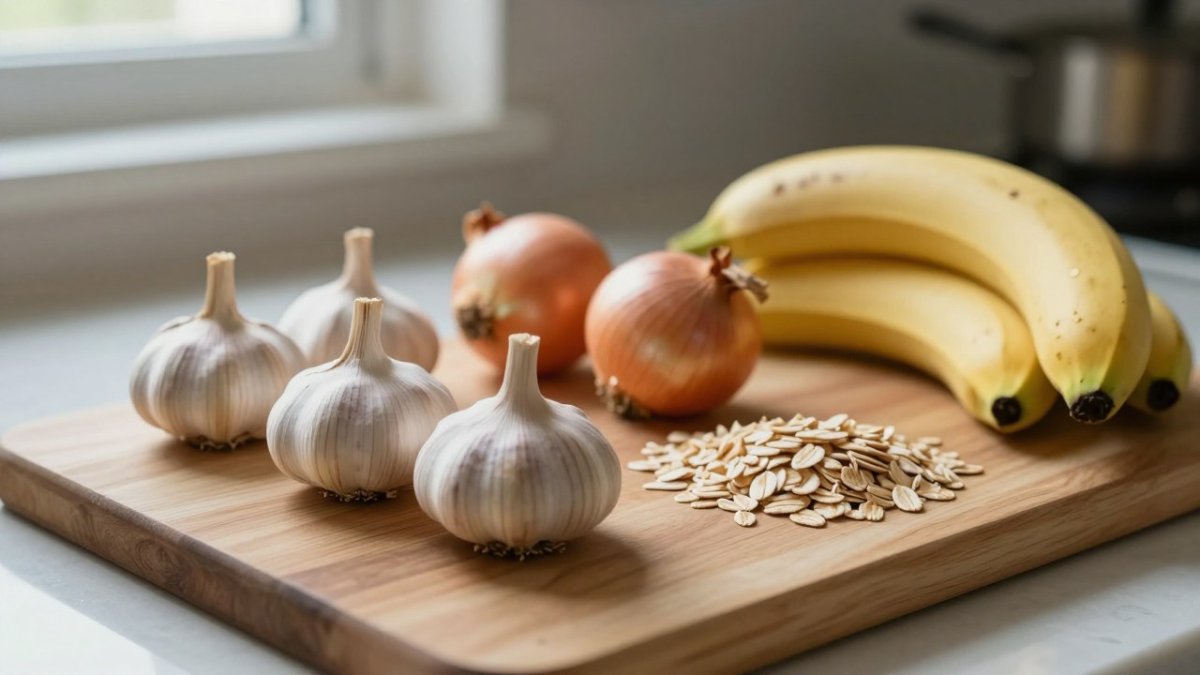
Common prebiotic foods include garlic, onions, bananas, oats and legumes. Fermented foods such as yogurt, kefir and sauerkraut supply probiotics. Before adding manuka honey, read the side effects and risks of manuka honey.


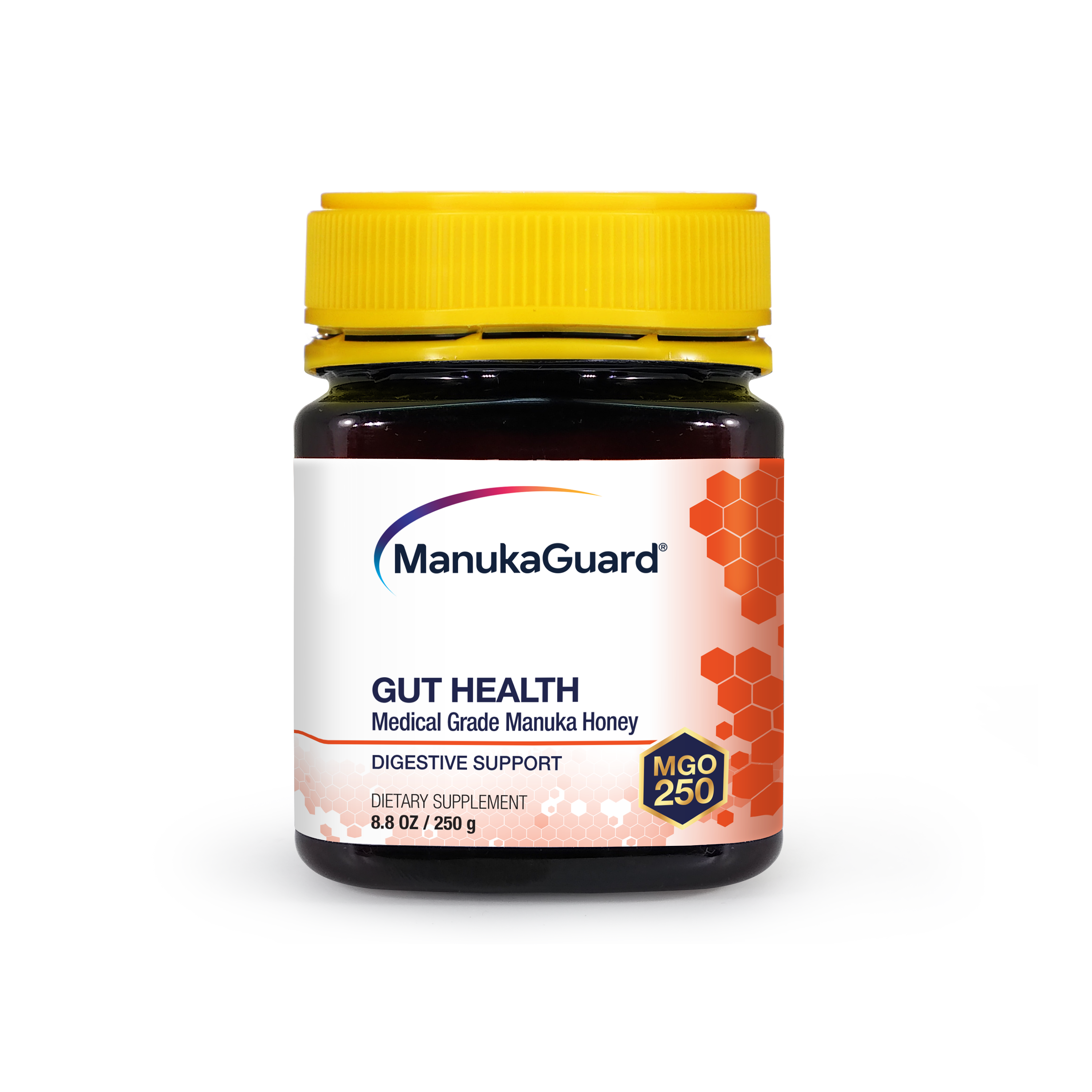
For daily use, our Gut Health Medical Grade Manuka Honey (MGO 250, $53.36) is a straightforward option to add to your routine. Gut Health Medical Grade Manuka Honey
The article names common prebiotic and probiotic foods; the table below sums up which is which. You can also browse the gastrointestinal product collection.
| Food type | Examples | Role |
|---|---|---|
| Prebiotic | Garlic, onions, bananas | Fiber that feeds gut microbes |
| Prebiotic | Oats, legumes | Fiber that feeds gut microbes |
| Probiotic | Yogurt, kefir | Live bacteria consumed |
| Probiotic | Sauerkraut | Live bacteria consumed |
Frequently Asked Questions
What food is highest in prebiotics?
Chicory root is one of the richest sources of inulin, a prebiotic fiber, and is often used in supplements. Among everyday foods, garlic, onions, leeks, asparagus, bananas and oats also contain notable amounts. Prebiotic fibers are nondigestible food fibers that feed beneficial gut microorganisms, so eating a variety of these plant foods is a practical way to add them to your diet.
Do prebiotics make you poop?
Prebiotics can support bowel regularity for some people. Effects vary from person to person. Because fiber ferments in the colon, adding prebiotic foods gradually helps limit gas and bloating. Some people with sensitive digestion may notice discomfort, so start with small servings and talk with a healthcare professional if symptoms persist.
What is the best time to eat prebiotics?
There is no single proven best time. Many people find it easiest to include prebiotic foods with meals, such as oats at breakfast or onions in lunch and dinner recipes. Consistency matters more than timing, so choose a schedule you can keep. If you use a prebiotic supplement, follow the label directions for serving.


 16.November.2026