Editorial Team
 08 November 2026
Last Updated: November 7, 2026


Quick Summary
To heal gut lining naturally, remove known irritants like alcohol and ultra-processed snacks for two to four weeks, then add whole foods, bone broth, fiber, and fermented foods gradually. Track symptoms in a log, and see a doctor if pain, blood in the stool, or weight loss occur.
- Remove alcohol, ultra-processed snacks, and suspected triggers for a two to four week elimination period.
- Keep a simple symptom log to spot patterns you would otherwise miss.
- Increase fiber by about one serving every few days to avoid gas and cramping.
- Supplement evidence is mixed, so talk to a clinician before trying any product.
- See a doctor promptly for blood in the stool, fever, or unexplained weight loss.
Table of Contents
- What the Gut Lining Does and What Damage Looks Like
- Step 1: Remove Known Triggers and Give the Gut a Break
- Step 2: Eat Foods That Heal Gut Inflammation
- Step 3: Build Fiber, Fermented Foods, and Prebiotics Gradually
- How to Increase Good Bacteria in Your Gut Naturally
- Gut Lining Repair Supplements: What the Evidence Shows
- Your Next Step: Set a 6-Week Gut Plan and Know When to See a Doctor
- Frequently Asked Questions
What the Gut Lining Does and What Damage Looks Like
Your gut lining is a single layer of cells that controls what passes from your intestines into your bloodstream, and keeping it healthy is central to any plan to heal gut lining. When it works well, it lets nutrients through and keeps bacteria and food particles out. Researchers call this function the intestinal barrier, and a 2023 review in the journal Nutrients looked at how certain foods and ingredients may help support it (2023 review on ingredients that may improve intestinal permeability).
Many people hear "leaky gut" and picture a dramatic hole. The reality is more subtle. The barrier can become more permeable over time, and that change is linked to digestive discomfort in some people. The term itself is debated, so treat it as a useful shorthand, not a confirmed diagnosis.
Gut lining damage symptoms to watch for
Common complaints people associate with a weakened gut barrier include:
- Bloating after meals
- Gas and irregular bowel movements
- Food sensitivities that seem to appear out of nowhere
- Fatigue or brain fog
- Skin flare-ups
Most of these symptoms have many causes. If they are persistent, severe, or include blood in the stool, unexplained weight loss, or pain that wakes you at night, see a doctor before trying any home plan.
Step 1: Remove Known Triggers and Give the Gut a Break
Start by cutting back on the foods and habits most likely to irritate your digestive tract, since removing those triggers is the first step to heal gut lining. For many people, that means alcohol, ultra-processed snacks, and heavy use of certain medications, especially over-the-counter pain relievers taken daily.
Try a short elimination period of two to four weeks. Remove one group at a time, then reintroduce it and watch how you feel. Keep a simple symptom log so you can spot patterns you would otherwise miss.
Watch out: do not stop prescription medications on your own. Talk with your prescriber before changing anything you take regularly.
Step 2: Eat Foods That Heal Gut Inflammation
Whole, minimally processed foods give your gut the raw materials it needs. Focus on:
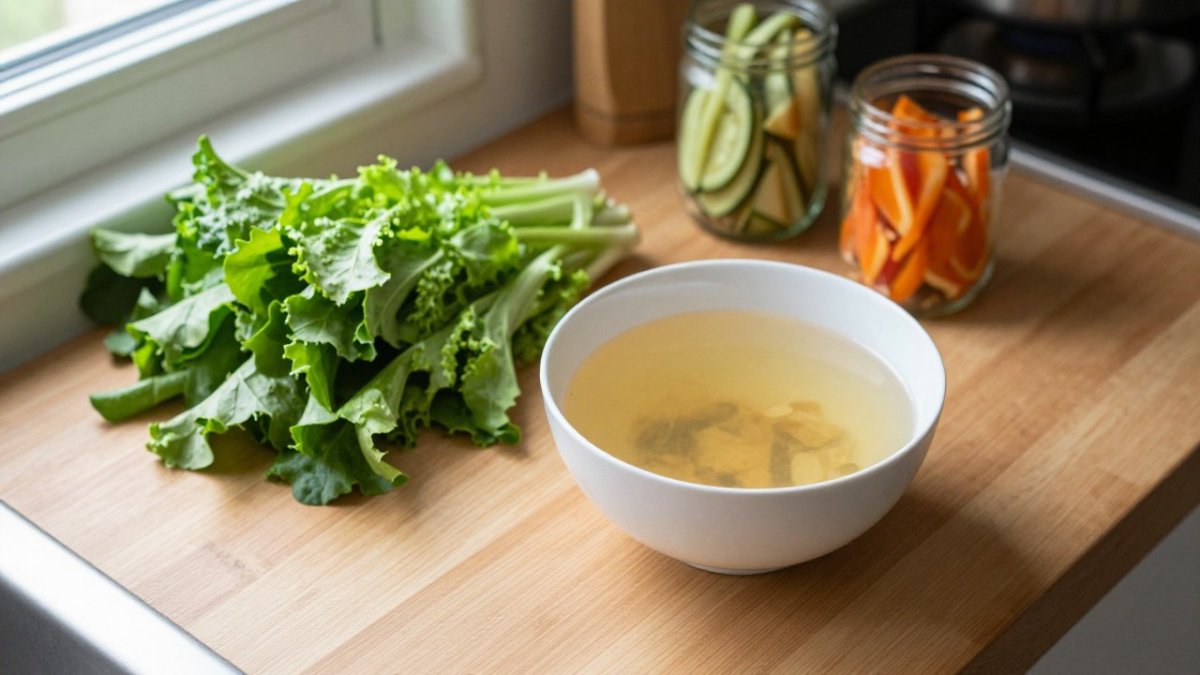
- Vegetables, especially leafy greens
- Fruit with skins and seeds
- Lean protein such as fish, eggs, and poultry
- Healthy fats from olives, nuts, and avocado
Some foods get extra attention because of their nutrient profiles. A review on gut barrier support highlights several ingredients, including certain herbs, amino acids, minerals, and antioxidant-rich foods, as candidates worth studying (review of ingredients that may support the gut barrier). Research is still early, so use these as supportive additions rather than cures.
Collagen-rich foods, bone broth, and bitter greens
Bone broth is a popular source of collagen and amino acids such as glycine and glutamine. Sip a warm cup a few times a week if you enjoy it. Bitter greens like arugula, dandelion greens, and endive have a distinct flavor. Add them to salads or sauté them with garlic. Start small if you are not used to bitter flavors.
Here is one simple way to fit these foods into your week:
| Food group | Example | How often | Why it helps |
|---|---|---|---|
| Bone broth | 1 cup warm | 2-3 times weekly | Collagen and amino acids |
| Bitter greens | 1 cup cooked or raw | Daily | Fiber and plant compounds |
| Lean protein | Fish or eggs | Daily | Building blocks for repair |
| Colorful vegetables | Mixed servings | Most meals | Antioxidants and fiber |
Step 3: Build Fiber, Fermented Foods, and Prebiotics Gradually
Fiber feeds the bacteria in your colon. Add it slowly, because a sudden jump can cause gas and cramping. Increase by about one serving every few days until you reach your goal.
Fermented foods such as plain yogurt, kefir, and sauerkraut contain live microbes. Start with a tablespoon or two and build up. Prebiotic foods like oats, onions, garlic, and bananas are often described as feeding beneficial gut bacteria.
Keep your fluid intake steady as well. Water helps fiber move through the digestive system comfortably.
How to Increase Good Bacteria in Your Gut Naturally
Aiming for a range of plant foods each week, including herbs, nuts, seeds, and whole grains, is a common dietary approach. Researchers have studied links between diverse diets and gut microbiome variety, though no exact target number is established.
Pair fermented foods with prebiotic foods. You can read the evidence behind medical-grade manuka honey benefits for a deeper look at how it fits into a gut-friendly routine. A bowl of oatmeal topped with yogurt and banana does both in one meal. Consistent habits beat occasional large doses.
Sleep and stress also shape your gut bacteria. Aim for seven or more hours of sleep, and add a daily walk or breathing practice to keep stress in check.
Gut Lining Repair Supplements: What the Evidence Shows
Supplements marketed for gut support often fall into a few families, including amino acids, collagen peptides, minerals, herbal extracts, and probiotic strains. The evidence is uneven, and it helps to sort claims by what has actually been tested in people rather than in cells or animals.


A practical way to grade the evidence:
- Human evidence varies: Some probiotic strains have been studied in human trials for digestive conditions, and effects are strain-specific. L-glutamine, zinc, and collagen peptides have small human studies with inconsistent results.
- Mostly laboratory or animal evidence: Many herbal extracts and "gut repair" blends rely on cell-culture or rodent findings. That is a starting point, not proof of benefit in people.
- No established evidence for curing disease: No supplement is proven to heal the intestinal barrier in a way that treats a diagnosed condition. Be skeptical of any product that promises to cure a disease.
If you decide to try a supplement, these safety points matter more than the marketing claims:
- Talk to your clinician first, especially if you take prescription medication, have a chronic condition, are pregnant or breastfeeding, or are scheduled for surgery.
- Watch for interactions. Zinc can interfere with certain antibiotics when taken at the same time, so separate doses as directed. Glutamine and collagen are generally well tolerated but can add to protein intake in ways that matter for people with kidney conditions. Herbal extracts can interact with blood thinners and other prescriptions.
- Respect upper limits. Zinc has a tolerable upper intake level for adults set by federal nutrition guidance; long-term high doses can interfere with copper absorption. Do not stack multiple products that contain the same mineral.
- Introduce one product at a time for at least two to four weeks so you can tell whether it helps or causes side effects such as bloating, gas, or loose stools.
- Check for allergens and additives. Some products include citric acid, bee products, or fillers that can trigger reactions in sensitive people.
Dosing is product-specific, so follow the label unless your clinician gives different instructions. A common pattern is to start at the low end of the label range and increase only if tolerated.
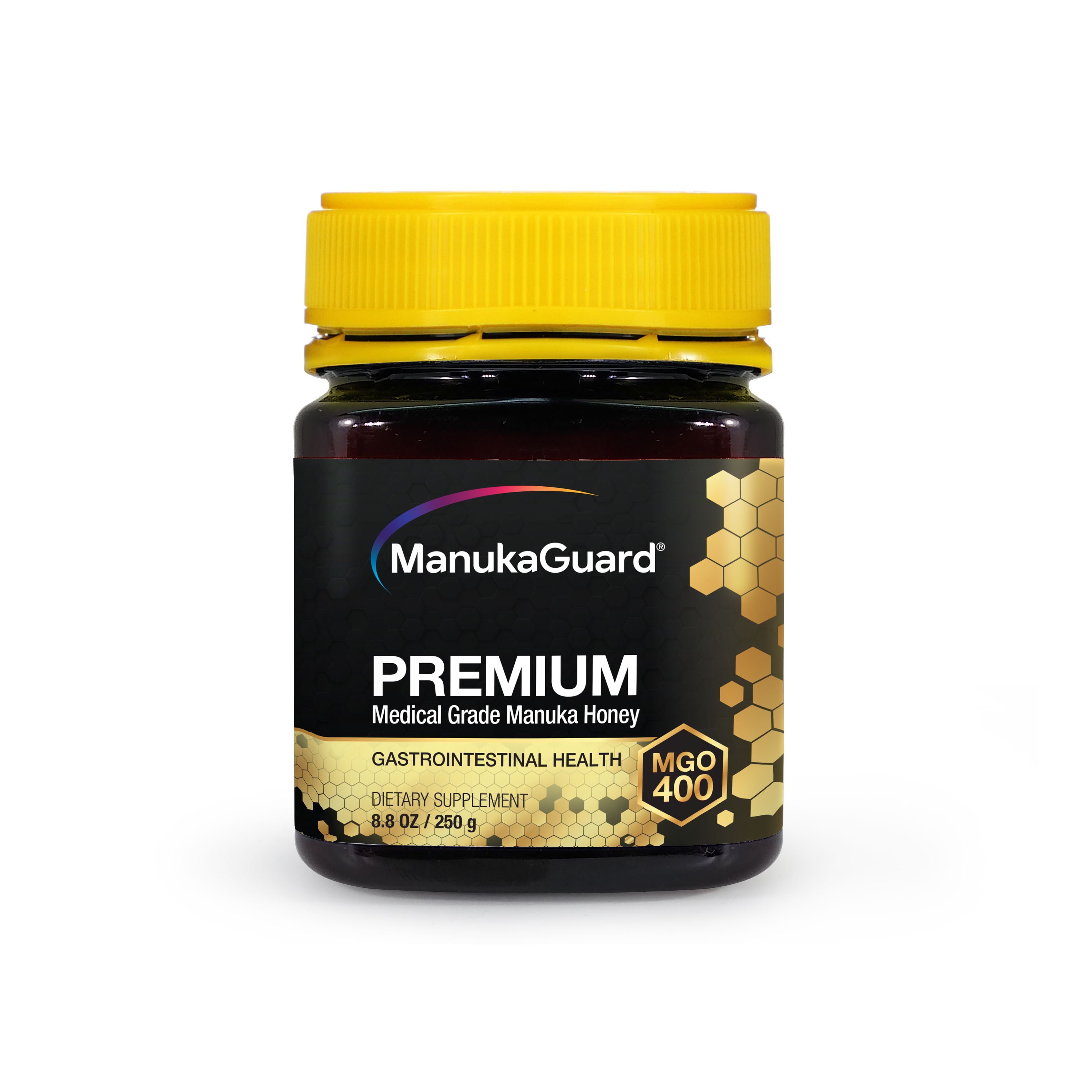
ManukaGuard offers a gut-focused medical grade manuka honey product with prebiotic activity, which fits the fiber and prebiotic approach described above. Its listing notes that it can be used daily and paired with a probiotic, and it includes a warning to consult a doctor if you have a medical condition or are pregnant. For a broader look at gut-focused products, you can browse the gut health collection. If you want more on using honey for digestive comfort, read how to use manuka honey for indigestion relief.

Skip if: you have an allergy to bees, bee products, or citric acid, as the product warns.
Watch out: supplements are not a substitute for medical evaluation when symptoms are persistent, severe, or include blood in the stool, fever, or unexplained weight loss.
Your Next Step: Set a 6-Week Gut Plan and Know When to See a Doctor
A staged plan can make it easier to see what helps. The sequence below is a general pattern; adjust the pace to your tolerance and stop any step that clearly makes symptoms worse.
Weeks 1-2: Remove and baseline. Cut back on alcohol, ultra-processed snacks, and any food group you suspect. Keep a simple daily log of symptoms (bloating, gas, bowel movements, energy, skin) on a 1-5 scale, plus what you ate and any supplements.
Weeks 3-4: Add supportive foods. Introduce one serving of fermented food (plain yogurt, kefir, or sauerkraut) and one prebiotic food (oats, onions, garlic, or bananas) daily, starting small. Add a collagen-rich food such as bone broth two to three times weekly and bitter greens daily if tolerated.
Weeks 5-6: Build variety and habits. Aim for at least 30 different plant foods across the week, including herbs, nuts, seeds, and whole grains. Keep sleep at seven or more hours and add a daily walk or breathing practice.
What to track. Use a symptom and food diary rather than relying on memory. Note the symptom, severity, timing relative to meals, and any new food or supplement. A two-week baseline before changes makes patterns easier to spot.
What the evidence supports. Supplements have weaker and more mixed evidence, as covered above. No home plan is proven to repair the intestinal barrier in a way that treats a diagnosed disease.
Testing. If you see a clinician, they can decide which tests fit your symptoms. Consumer tests marketed for "leaky gut" or microbiome analysis are not established as diagnostic tools, and their results can be difficult to interpret.
When to see a doctor promptly. Persistent pain, blood in the stool, fever, unexplained weight loss, pain that wakes you at night, or symptoms that worsen despite changes need medical care.
If symptoms do not improve after six weeks, or if they get worse, book an appointment. Bring your symptom log so your clinician can see the pattern.
The gut lining is not something you repair overnight, but steady food choices, gradual fiber increases, and honest tracking can make a real difference. Start with one step this week.
Frequently Asked Questions
What heals the gut lining the fastest?
No single food or supplement has been shown to heal the gut lining quickly. The most consistent approach is removing known triggers, eating a varied, fiber-rich diet, staying hydrated, and managing stress and sleep. Research on natural ingredients is still developing, and no specific timeline for clinical effects has been established. Expect gradual changes over several weeks, and talk to a clinician if symptoms persist.
Can a damaged gut lining be repaired?
The intestinal lining regenerates constantly, so supporting it through diet and lifestyle is a reasonable goal. However, the term leaky gut is not a confirmed medical diagnosis, and there is limited high-quality evidence proving that specific natural interventions reliably heal the lining. Persistent symptoms such as blood in stool, unintended weight loss, or severe pain need medical evaluation rather than self-treatment.
Do gut lining repair supplements work?
The evidence is mixed. Evidence for specific ingredients is mixed and often limited in size. Check with your doctor before starting any supplement, especially if you take medication, are pregnant, or have a medical condition. If you take medication, are pregnant, or have a medical condition, check with your doctor before starting any supplement.


 09.November.2026