Editorial Team
 18 November 2026
Last Updated: November 17, 2026


Quick Summary
An energy blend is a formulated honey product that combines Manuka honey with other honeys to serve a specific daily purpose, not ordinary table honey. Check the MGO or UMF rating stated numerically, a short named ingredient list, New Zealand origin, and cost per serving before buying.
- Energy blends typically sit in the MGO 40 to 100 band because honey is one ingredient among several.
- Cost per serving equals jar price divided by servings per container, so do the division before deciding.
- A 12-ounce jar at $19.99 with 24 servings works out to about $0.83 per serving.
- Convert teaspoons, tablespoons, and grams to one unit before comparing serving sizes across brands.
- Skip any blend if you have a bee product allergy or are buying for a child under one year.
Table of Contents
- Why an Energy Blend Is Not Just Honey in a Jar
- Manuka Honey vs Regular Grocery Honey: What the Label Won't Tell You
- The Manuka Honey MGO Chart Benefits Buyers Should Understand
- What MGO Manuka Honey Is Best for Daily Use
- How to Read an Energy Blend Label Before You Buy
- Cost Per Serving: Comparing Energy Blends on Real Value
- Choosing Your Manuka Honey Energy Blend
- Frequently Asked Questions
Why an Energy Blend Is Not Just Honey in a Jar
An energy blend is a formulated honey product that combines Manuka honey with other honeys or ingredients to serve a specific daily purpose, and it is not the same as spooning table honey into your tea. At ManukaGuard, we see the single biggest misunderstanding as shoppers assuming every jar labeled "Manuka" delivers the same thing.
It doesn't. The global Manuka honey market is valued at USD 455.52 million in 2026, according to Straits Research market analysis, and that growth has pulled a lot of ordinary honey into premium packaging.
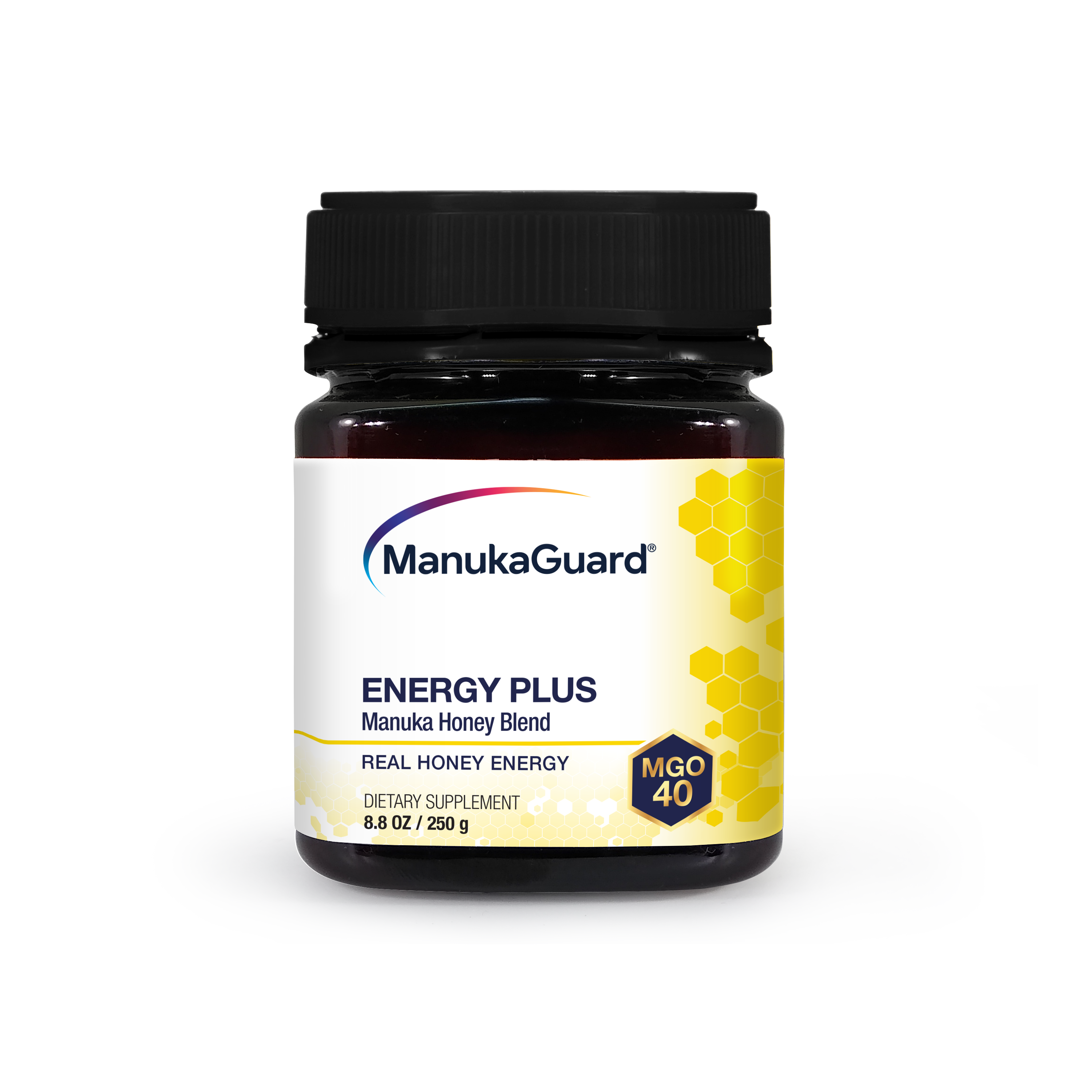
Here's the distinction that matters: an energy blend is designed around a job. Ours pairs Manuka MGO 40 with buckwheat and orange blossom honey to deliver carbohydrates from fructose and glucose, with no stimulants, taurine, or niacin. A jar of grocery honey is designed to taste good on toast. Both are legitimate products. Only one is formulated. Understanding the specific functional requirements of your fuel source helps clarify why quality honey bee products remain a staple for those prioritizing metabolic consistency over simple sweetness.
Below, we'll show you exactly how to tell them apart on the shelf, read the potency numbers, and calculate what you're actually paying per serving.
Manuka Honey vs Regular Grocery Honey: What the Label Won't Tell You
The difference between Manuka honey and regular grocery honey comes down to one compound: methylglyoxal, or MGO. Manuka honey contains it in measurable, testable quantities. Ordinary table honey and honeydew honey generally do not, which is why a 2021 review in the scientific literature describes mānuka honey as distinct from other honey types when discussing antimicrobial and wound-healing activity (comprehensive review of Manuka honey research).
What the label won't tell you is that "Manuka" is not a protected word in every market. A jar can carry the name and contain a blend of low-grade honey with a small Manuka fraction.
For a deeper look at what separates genuine Manuka from ordinary honey, our breakdown of the benefits of medical grade Manuka honey walks through the evidence.
The Manuka Honey MGO Chart Benefits Buyers Should Understand
Potency is the number that determines both price and purpose, and the Manuka honey MGO chart benefits shoppers most when they read it as a strength scale rather than a score to maximize. UMF is a separate but related rating system used on some labels.
Here is the practical mapping most buyers never see spelled out. MGO is measured in milligrams of methylglyoxal per kilogram of honey, so MGO 40 means at least 40 mg/kg and MGO 500 means at least 500 mg/kg. The UMF number is a different scale that also accounts for other markers, and the two do not convert one-to-one. A label that states only one of them is not automatically suspect, but a label that states neither numerically is a label to put back on the shelf.
| MGO rating | Typical UMF equivalent | Common positioning | Best suited to |
|---|---|---|---|
| 40-100 | UMF 5+ to UMF 10+ | Everyday table and blend grade | Daily spoonfuls, blends, recipes |
| 100-250 | UMF 10+ to UMF 15+ | Daily wellness grade | Short-term targeted use |
| 250-500 | UMF 15+ to UMF 20+ | Therapeutic grade | Small measured doses |
| 500+ | UMF 20+ and above | High-potency specialty | Occasional, small amounts |
Treat the UMF column as approximate, because the two systems are tested differently and brands report them differently. The point of the chart is not precision conversion; it is knowing which band you are shopping in before you compare prices.
Higher is not automatically better for every use. A moderate rating suits daily use and blending, which is why energy blends tend to sit in the 40 to 100 band: the honey is one ingredient among several, and the blend is designed to be eaten by the spoonful rather than measured in drops.
Watch out: some products print a UMF number without the licensed UMF trademark or a batch-specific lab certificate, and a rating that cannot be tied to a batch is a marketing claim rather than a tested value. Ask for the certificate or check the brand's published test results before you pay a premium for a high number.
Match the rating to how you'll actually use the jar, not to the biggest number on the shelf.
What MGO Manuka Honey Is Best for Daily Use
Before committing to a daily habit, it's worth checking the other side of the equation. Our review of Manuka honey side effects and risks covers what to know about allergies, digestive sensitivity, and who should talk to a doctor first.
Watch out: anyone with a bee product allergy should avoid it. If you take medication or are pregnant or nursing, ask your clinician before adding a honey product to your routine.
How to Read an Energy Blend Label Before You Buy
Start with the ingredient list, not the front of the jar. The front is marketing; the ingredient panel and the potency statement are the actual product.
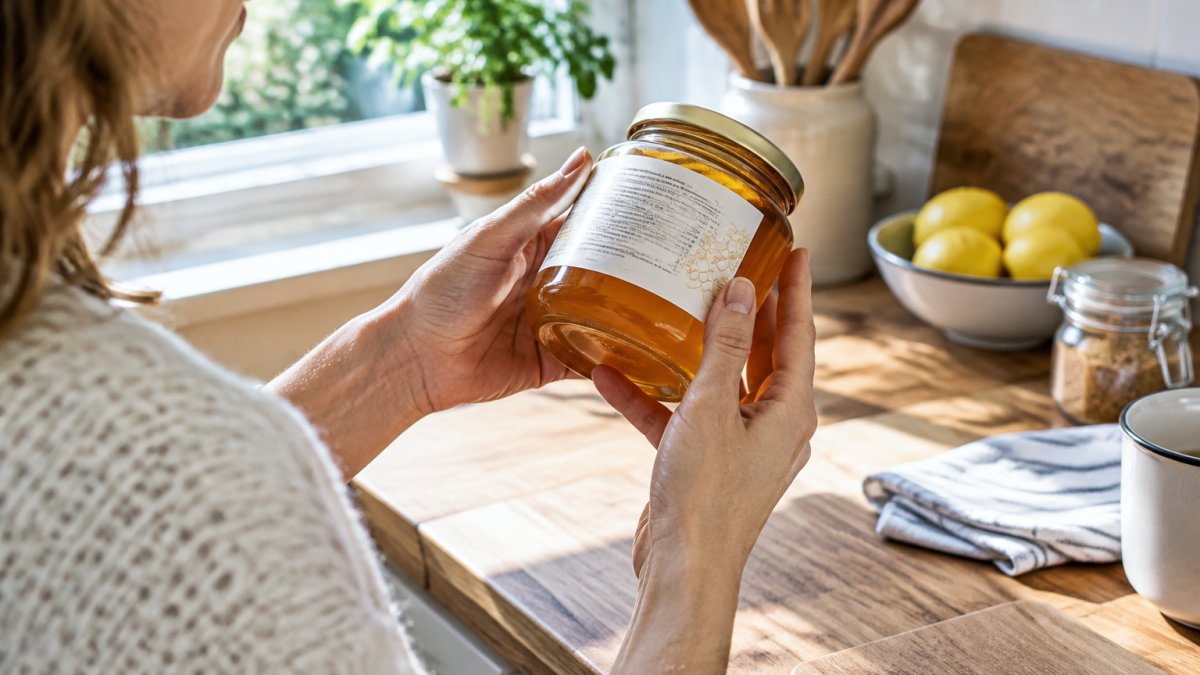
Here is the checklist we would use, and the one we'd suggest you use on any brand including ours:


- MGO or UMF rating stated numerically on the label, not just "Manuka" in the name
- Ingredient list is short and named (honey varietals), not "natural flavors" or syrups
- Batch number and traceability information present on the packaging
- New Zealand origin stated, with MPI export standards referenced
- Added stimulants disclosed (caffeine, taurine, niacin) if present
- Serving size and servings per container clearly printed
- Allergen and age warnings present
Industry buying guides for 2026 consistently point shoppers toward UMF and MGO verification plus New Zealand MPI compliance as the core authenticity checks (2026 authenticity buyer's guide). A brand that can't show a lab result for the batch in your hand is asking you to take the rating on faith.
Cost Per Serving: Comparing Energy Blends on Real Value
Price per jar tells you almost nothing. Price per serving tells you what you're actually buying, and for an energy blend the serving is the unit you will actually consume each day.
The formula is simple:
Cost per serving = Jar price ÷ Servings per container
Run it on any two jars and the premium option sometimes wins. A larger jar with more servings frequently beats a cheaper small jar once you divide it out. Category volume sales grew 30% over the past year with household penetration up 51%, according to Progressive Grocer reporting on Manuka honey, which means more shoppers are doing this math for the first time.
Here is how the math works on a real label. Suppose a 12-ounce jar lists a 1-tablespoon serving and 24 servings per container at $19.99. That is about $0.83 per serving. A 6-ounce jar of the same product at $12.99 with 12 servings works out to about $1.08 per serving, so the larger jar is cheaper per spoonful even though the sticker price is higher. Do the division before you decide which jar is the better deal.
Serving size is where most comparisons go wrong. One brand may call a serving 1 teaspoon, another 1 tablespoon, and a third may list a serving in grams. Convert everything to the same unit before you compare. There are 3 teaspoons in a tablespoon, so a product priced per teaspoon will look three times cheaper than the same product priced per tablespoon until you normalize it.
| What to compare | Why it matters | What to look for |
|---|---|---|
| Price per serving | True cost of daily use | Lower cost per serving at your dose |
| Serving size and unit | Makes cross-brand math valid | Convert teaspoons, tablespoons, and grams to one unit |
| MGO rating | Strength per spoonful | Matches your intended use |
| Ingredient list | Purity and suitability | Named honeys, no fillers |
| Servings per jar | How long it lasts | Fewer repurchases |
| Added stimulants | Crash risk and sensitivity | None, if you want steady energy |
What drives cost per serving is not just the honey.
Watch out: a low cost per serving can also come from a small honey fraction stretched with syrups or fillers, so pair the math with the ingredient list. The cheapest serving is not a value if the ingredient panel does not name what you are eating.
A normalized cost-per-serving comparison is the single most useful number on the shelf. It lets you compare a 12-ounce blend, a 6-ounce single-origin jar, and a multi-serving tub on the same basis, and it turns a confusing wall of prices into a decision you can make in under a minute.
Choosing Your Manuka Honey Energy Blend
The right blend depends on who is using it and when. A pre-workout spoon, a mid-afternoon alternative to a second coffee, and a daily wellness habit are three different purchase decisions.
If you want the product this guide has been evaluating, Energy Plus Manuka Honey Blend, MGO 40 is our starting point: Manuka MGO 40 with buckwheat and orange blossom honey, free from stimulants, taurine, and niacin, at $19.99. To understand the wider health support behind a blend like this, read our complete guide to Manuka honey immune system support.
Skip if: you have a bee product allergy, or you're buying for a child under one year.
The hardest part of buying an energy blend isn't finding one. It's finding one whose label survives scrutiny. ManukaGuard formulates with certified Medical Grade Manuka Honey, tests every batch for verified MGO potency, and makes products in cGMP-compliant facilities, so the number on the label is the number in the jar. Get started with ManukaGuard and choose a blend you can actually verify.
Frequently Asked Questions
What makes a Manuka honey energy blend different from regular honey?
A Manuka honey energy blend combines certified Manuka honey with other honeys or ingredients, and the Manuka portion is tested for MGO content. Regular grocery honey is typically table-grade and not rated for methylglyoxal. The difference that matters for energy is the carbohydrate mix of fructose and glucose. Check the label for a stated MGO grade and a full ingredient list before you compare blends.
How do I verify the authenticity of a Manuka honey energy blend?
Look for three things: a stated MGO rating on the label, a batch number you can trace, and confirmation the honey meets New Zealand Ministry for Primary Industries standards. Those standards test for five attributes before honey can be labeled mono-floral or multi-floral Manuka for export. Ask the brand whether it can show a lab result for that specific batch. Inflated numbers on a label can hide the difference between food-grade honey and true medical-grade Manuka.
What does the MGO rating mean for energy-focused honey products?
MGO stands for methylglyoxal, the natural compound behind Manuka honey's therapeutic strength. Levels vary dramatically from one harvest to the next, so a rating tells you what was verified in that batch. For an energy blend, a moderate grade such as MGO 40 is enough to pair Manuka's properties with a carbohydrate source.
Are there specific ingredients I should look for in a Manuka honey energy blend?
Start with the honey sources. ManukaGuard Energy Plus, for example, blends Manuka MGO 40 with buckwheat and orange blossom honey, and it is free from stimulants, taurine, and niacin. Check whether added botanicals serve a purpose you actually want, and confirm the serving size on the label so you know how many servings a jar delivers. If you have a sensitive stomach, review the full ingredient list before your first serving.


 16.November.2026