Editorial Team
 09 November 2026
Last Updated: November 8, 2026


Quick Summary
Medical grade honey has not been directly studied as an allergy treatment, so its effectiveness for allergies is unconfirmed. Honey in general has shown possible symptom improvement in small clinical studies, but the evidence is preliminary and no large controlled trial has confirmed it as an allergy treatment.
- Bees collect flower pollen, not the wind-carried pollen that triggers most seasonal allergies.
- Medical grade Manuka honey is purified, tested against five New Zealand government standards, and states MGO content on the label.
- Use honey as supportive care alongside proven treatment, not as a replacement for allergy medication.
- People allergic to bee products or citric acid should avoid honey-based products, and infants under one year should never be given honey.
- Nasal spray users may feel mild stinging that normally resolves within a few uses; stop and seek help if it lasts more than 4 or 5 days.
Table of Contents
- Is Medical Grade Honey Effective for Allergies?
- The Local Honey for Allergies Myth
- Medical-Grade Honey vs. Regular Honey
- Is Medical Grade Honey Effective for Allergies?
- How to Use Honey for Allergies
- How Long Does It Take for Raw Honey to Help with Allergies?
- What the Research Actually Shows About Honey and Allergies
- Medical Grade Honey vs. Standard Allergy Treatment
- Who Should Not Use Honey for Allergies
- Frequently Asked Questions
Is Medical Grade Honey Effective for Allergies?
The evidence is mixed, and no major allergy authority endorses honey as a proven allergy treatment. Medical grade honey is purified, standardized honey, not the same as kitchen honey. At ManukaGuard, we sell medical grade Manuka honey products, so we have an obvious stake; that is why we walk through what the research actually shows, including the parts that cut against the hype.
The Local Honey for Allergies Myth
The science does not back local honey. Bees collect flower pollen, not the wind-carried pollen that triggers most seasonal allergies. For better-supported natural approaches to congestion, see our breakdown of natural remedies for chronic congestion.
Medical-Grade Honey vs. Regular Honey
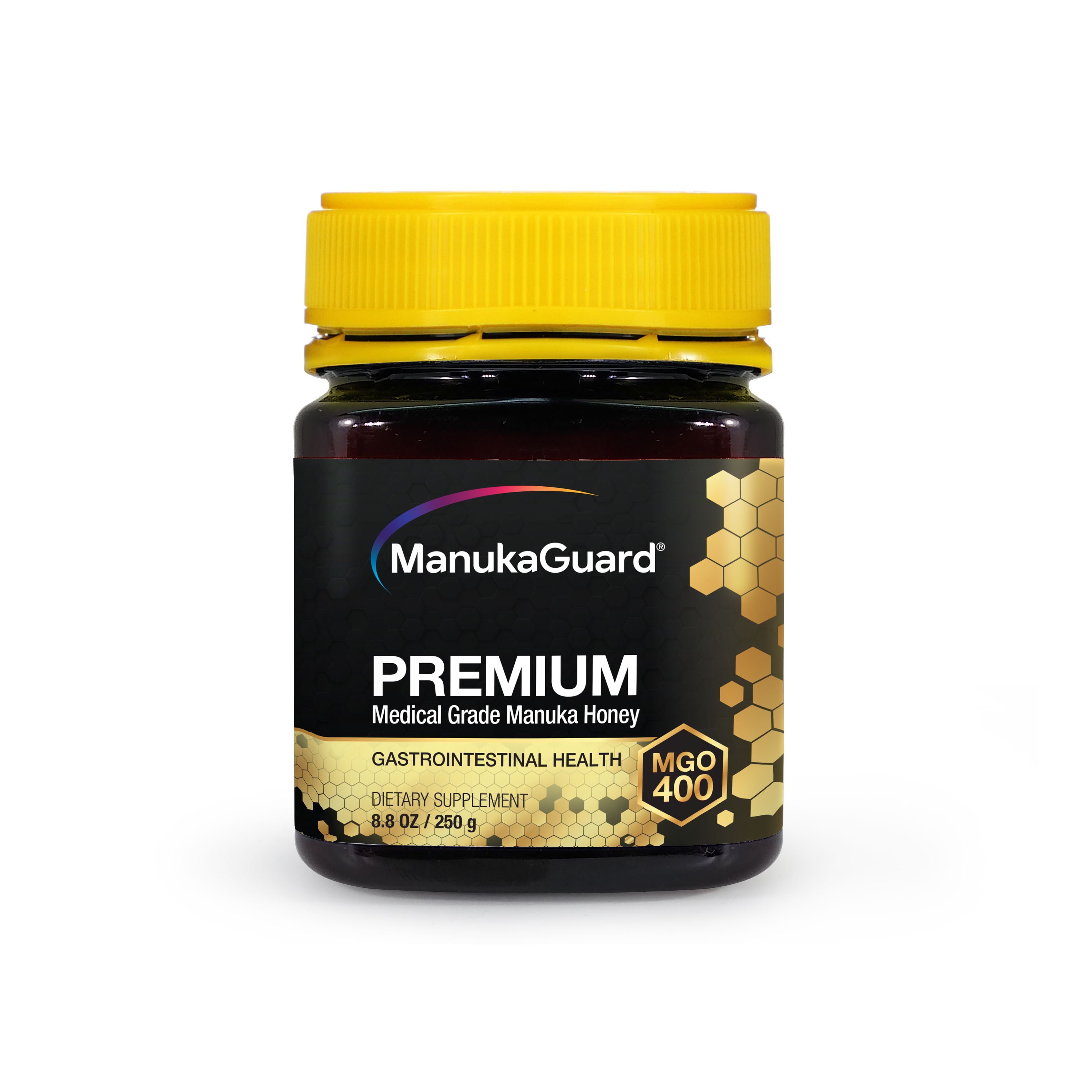
ManukaGuard's medical grade Manuka honey is purified through a proprietary process, tested against five standards set by New Zealand's Ministry for Primary Industries, and MGO content is stated on the label.
| Type | Purification | Active Compounds Verified | Typical Use |
|---|---|---|---|
| Regular honey | Minimal filtering | No | Food, sweetener |
| Manuka honey | Filtered, MGO tested | Yes, MGO stated | Food, wellness |
| Medical grade honey | Purified, standardized | Yes, MGO stated | Formulated products |
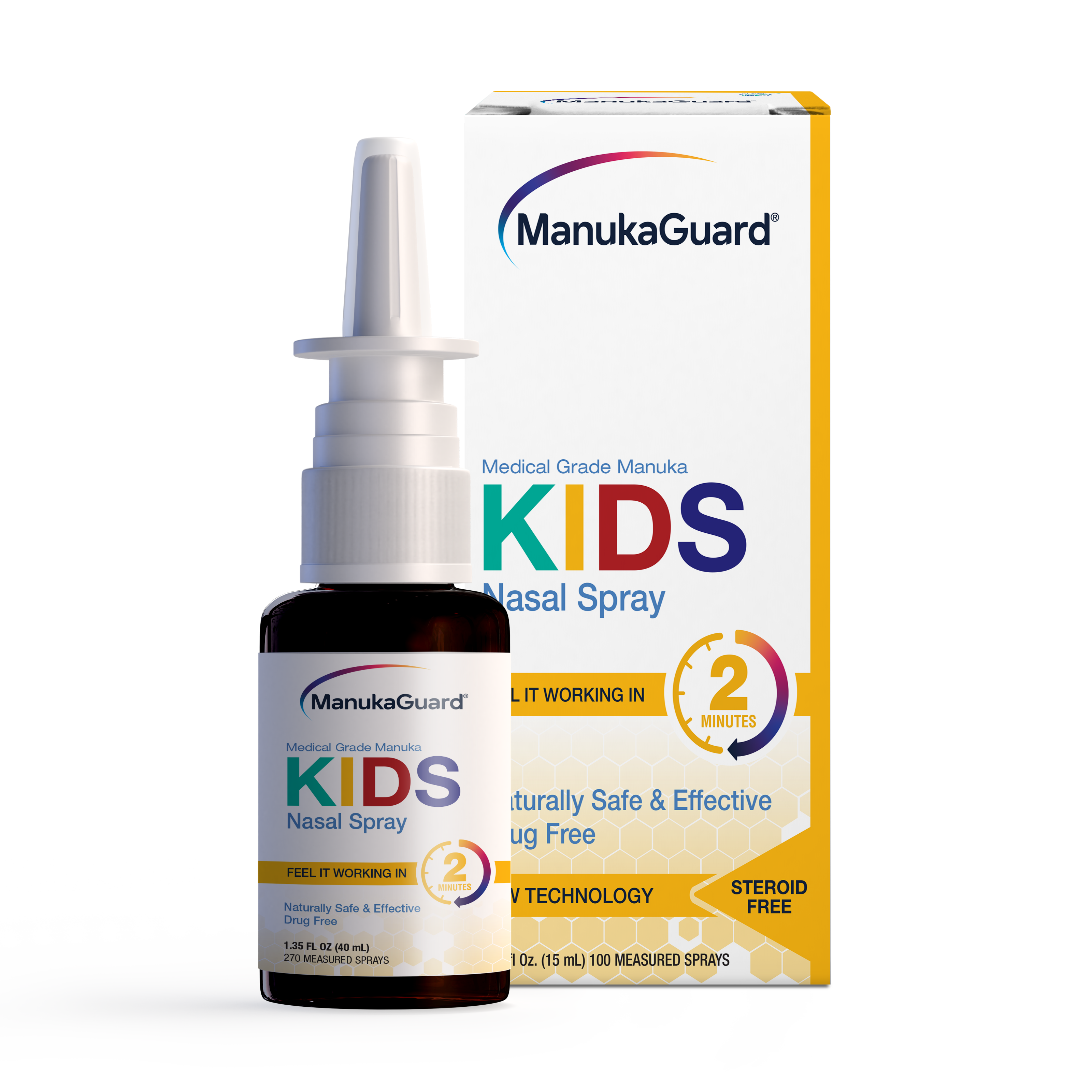
For more, see our article on the benefits of medical grade Manuka honey. Ready to try a medical grade product? The Deep Allercleanse Nasal Spray uses medical grade Manuka honey in a fine mist, the Extra Strength Allercleanse Nasal Spray is formulated with a higher MGO 600 level, and the Allergen Support Bundle combines products.


Is Medical Grade Honey Effective for Allergies?
Medical grade honey has not been directly studied as an allergy treatment, and that gap matters. A 2021 review of honey as a remedy for allergic diseases reported that a few clinical studies found alleviation of allergic symptoms after honey was applied or consumed, and summarized a conclusion that honey ingestion significantly improved the mean total symptom score compared with placebo (review of honey for allergic diseases(https://pmc.ncbi.nlm.nih.gov/articles/PMC7870997/)). A separate study by ZA Asha'ari and colleagues reported that high-dose honey ingestion improved overall and individual allergic rhinitis symptoms (study on honey and allergic rhinitis(https://pmc.ncbi.nlm.nih.gov/articles/PMC6074882/)). The honest reading is that honey shows some promise in small studies, the effect has not been confirmed in large controlled trials, and nobody has run a trial on medical grade honey for allergies.
How to Use Honey for Allergies
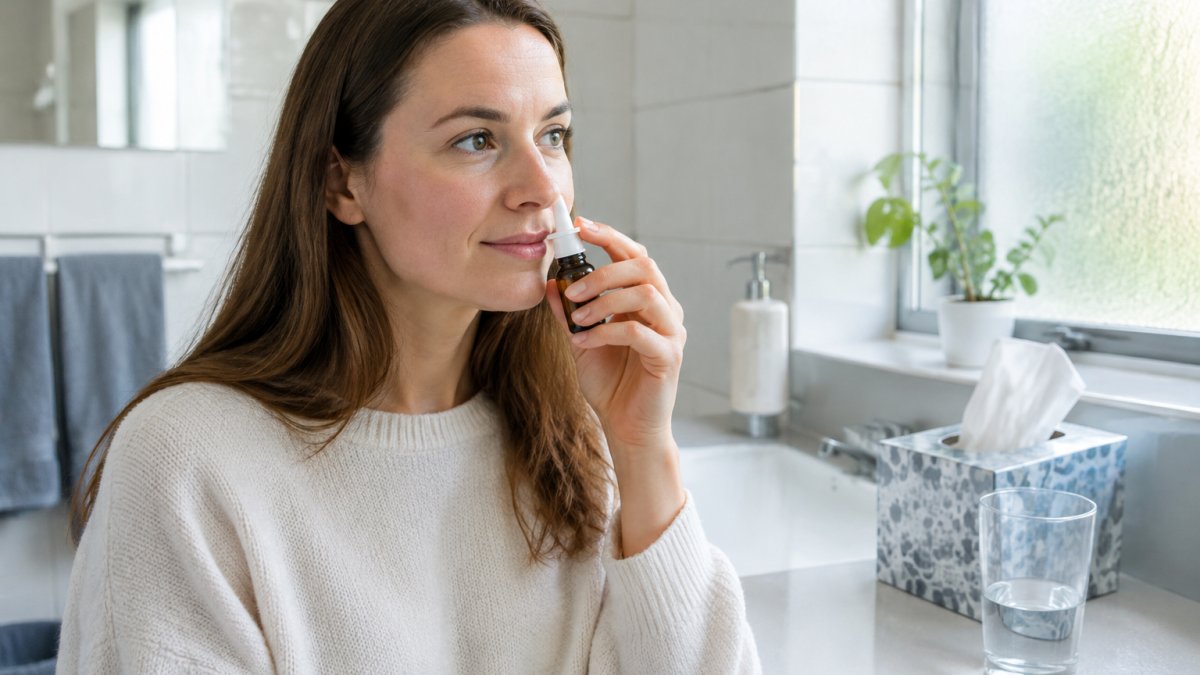
If you want to try honey for allergy symptoms, use it as supportive care alongside proven treatment, not as a replacement.


How Long Does It Take for Raw Honey to Help with Allergies?
Watch out: Do not use honey-based products if you are allergic to bees, bee products, or citric acid.
What the Research Actually Shows About Honey and Allergies
The research on honey and allergies is preliminary, and quality varies enormously. No large, well-controlled trial has confirmed honey as an allergy treatment; a small number of clinical studies suggest possible symptom improvement, but sample sizes are small and results have not been consistently replicated. Medical grade honey specifically as an allergy treatment has not been studied. Because these findings remain uncertain, honey should not replace established care for allergies or respiratory symptoms, and Tender Tots & Wellness can help frame questions about soothing a toddler’s cough or congestion with a clinician.
Medical Grade Honey vs. Standard Allergy Treatment
Standard allergy treatment has something honey does not: large trials and regulatory review.
| Approach | Evidence Level | Onset | Best For |
|---|---|---|---|
| Antihistamines | Well established | Hours | Acute symptom relief |
| Nasal corticosteroids | Well established | Days to weeks | Persistent rhinitis |
| Medical grade honey | Preliminary | Weeks | Supportive nasal care |
Who Should Not Use Honey for Allergies
People with a known allergy to bee products or citric acid should avoid honey-based products. Infants under one year should never be given honey. Anyone pregnant, nursing, taking medication, or managing a medical condition should talk to their doctor first. Users of honey nasal sprays may experience mild stinging, which normally resolves within a few uses of the nasal spray. Should stinging continue for more than 4 or 5 days, discontinue use and seek medical help.
Frequently Asked Questions
What type of honey is best for allergies?
No honey type is proven to treat allergies. Current evidence does not show that local honey works for allergies. If you want to try honey, a purified medical grade product with a stated MGO level gives you more consistency than grocery store honey, but treat it as supportive care, not a proven allergy treatment.
How does medical-grade honey compare with local honey for seasonal allergies?
Medical grade honey has MGO content stated on the label. Neither has strong clinical evidence for hay fever. The practical difference is consistency and purity, not proven allergy relief, so choose based on what you want from the product rather than desensitization claims.
How long does it take for honey to help with allergies?
There is no established timeline, because honey is not a proven allergy treatment. If you try a honey nasal spray for cleansing and hydration, judge it over a few weeks of consistent use and keep your regular allergy medication in place.


 11.November.2026