

 Editorial Team
 22 November 2026
Last Updated: November 21, 2026


Quick Summary
The best natural remedies for sinus inflammation focus on thinning mucus, reducing swelling, and keeping nasal passages moist. A saline nasal rinse is the most reliable home remedy for flushing mucus, while steam inhalation and a humidifier help with moistening and overnight dryness.
- Swollen tissue blocks drainage, trapped mucus builds pressure, and pressure becomes pain.
- Hydration is commonly recommended because dehydration can thicken mucus.
- Use only distilled, sterile, or previously boiled and cooled water for nasal rinses.
- A wedge pillow helps gravity overnight since lying flat lets mucus pool.
- Spicy foods can aggravate acid reflux, so start small if your stomach reacts badly.
Table of Contents
- Natural Remedies for Sinus Pressure and Sinus Inflammation
- Natural Remedies for Sinus Drainage: Hydration, Rest, and Spicy Foods
- The Saline Nasal Rinse for Sinus Congestion: How to Do It Safely
- Frequently Asked Questions
Natural Remedies for Sinus Pressure and Sinus Inflammation
Sinus inflammation is the swelling of the tissue lining your sinus cavities, and the best natural remedies for sinus inflammation focus on thinning mucus, reducing swelling, and keeping nasal passages moist.
Swollen tissue blocks drainage, trapped mucus builds pressure, and pressure becomes pain. Most remedies target one of those three bottlenecks.
| Remedy | Best For | Effort | Evidence Strength |
|---|---|---|---|
| Saline nasal rinse | Clearing mucus, daily maintenance | Low | Strong |
| Steam inhalation | Immediate moistening | Low | Moderate |
| Humidifier | Overnight dryness | Low | Moderate |
Watch out: a home remedy routine that ignores worsening symptoms can delay treatment for a bacterial infection. Natural care is for comfort and drainage, not for replacing medical attention when red flags appear.
Natural Remedies for Sinus Drainage: Hydration, Rest, and Spicy Foods
Drainage is the goal behind most natural remedies for sinus drainage: thin mucus moves, while thick mucus sits and pressurizes. Hydration is commonly recommended because dehydration can thicken mucus. Alongside hydration, a eucalyptus spray may be considered for stuffiness, though easing congestion does not replace the goal of keeping mucus thin; Buyeucalife.
Rest matters more than people admit; sleep supports immune function, and a wedge pillow helps gravity overnight since lying flat lets mucus pool.
A 2025 review of herbal medicine in acute and chronic sinusitis noted that certain herbal extracts may be effective in acute rhinosinusitis, though the authors did not report quantified effects (review of herbal medicine in sinusitis). A separate 2022 review concluded that herbal medicine may be more effective and safer than conventional treatment alone for chronic rhinosinusitis (herbal medicine for chronic rhinosinusitis). Translation: herbal support is worth trying, but the evidence base is still developing.
Watch out: spicy foods can aggravate acid reflux, so start small if your stomach reacts badly to strong foods.


The Saline Nasal Rinse for Sinus Congestion: How to Do It Safely
A saline nasal rinse for sinus congestion is the single most reliable home remedy for flushing mucus and irritants out of the nasal passages. It works by physically washing the sinus cavities, not by medicating them, and is safe and effective when done correctly.
- Wash your hands and clean the rinse device before every use.
- Use distilled, sterile, or previously boiled and cooled water only. Never use tap water straight from the faucet.
- Lean over a sink, tilt your head, and breathe through your mouth.
- Irrigate gently, then blow your nose softly, one nostril at a time.
- Clean the device and let it air dry fully.
- Keep a separate device for each person in the household.
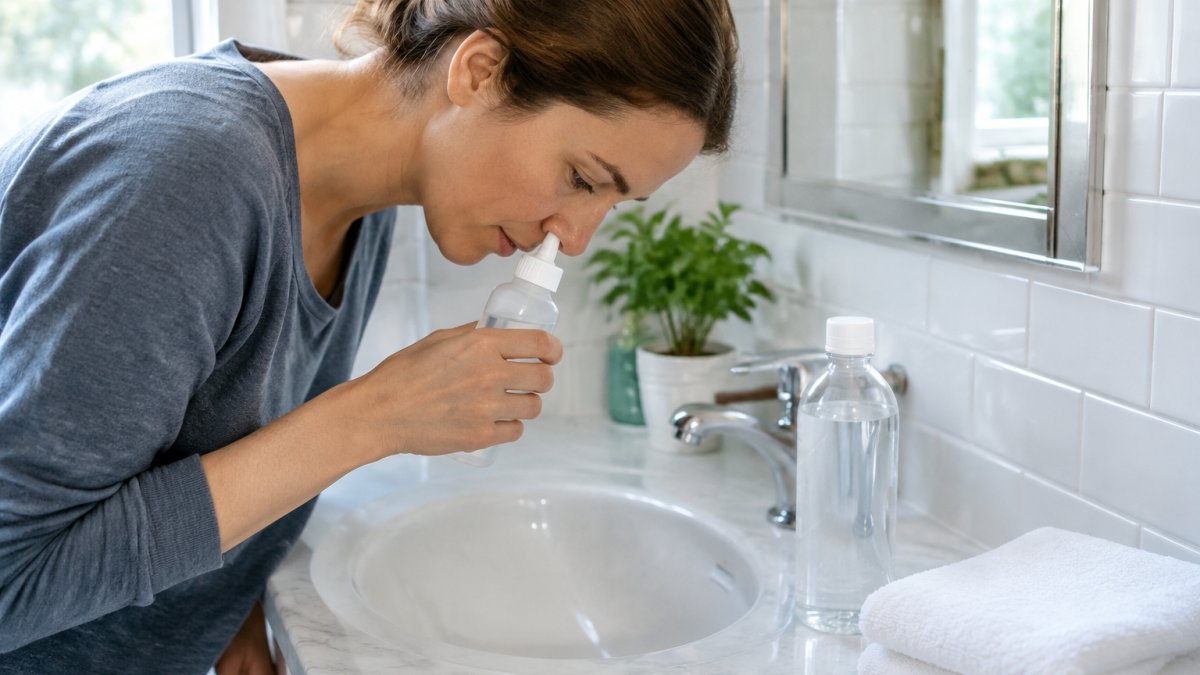
Untreated tap water should not be used for nasal rinsing because of the risk of serious infection (the CDC). Use only distilled, sterile, or boiled-and-cooled water, rinse the device after every use, and talk to your doctor before starting nasal irrigation if you have a compromised immune system.
For a step-by-step walkthrough, see our guide on how to relieve a stuffy nose fast. If you are weighing whether natural options are worth it for ongoing congestion, our article on natural remedies for chronic congestion goes deeper.
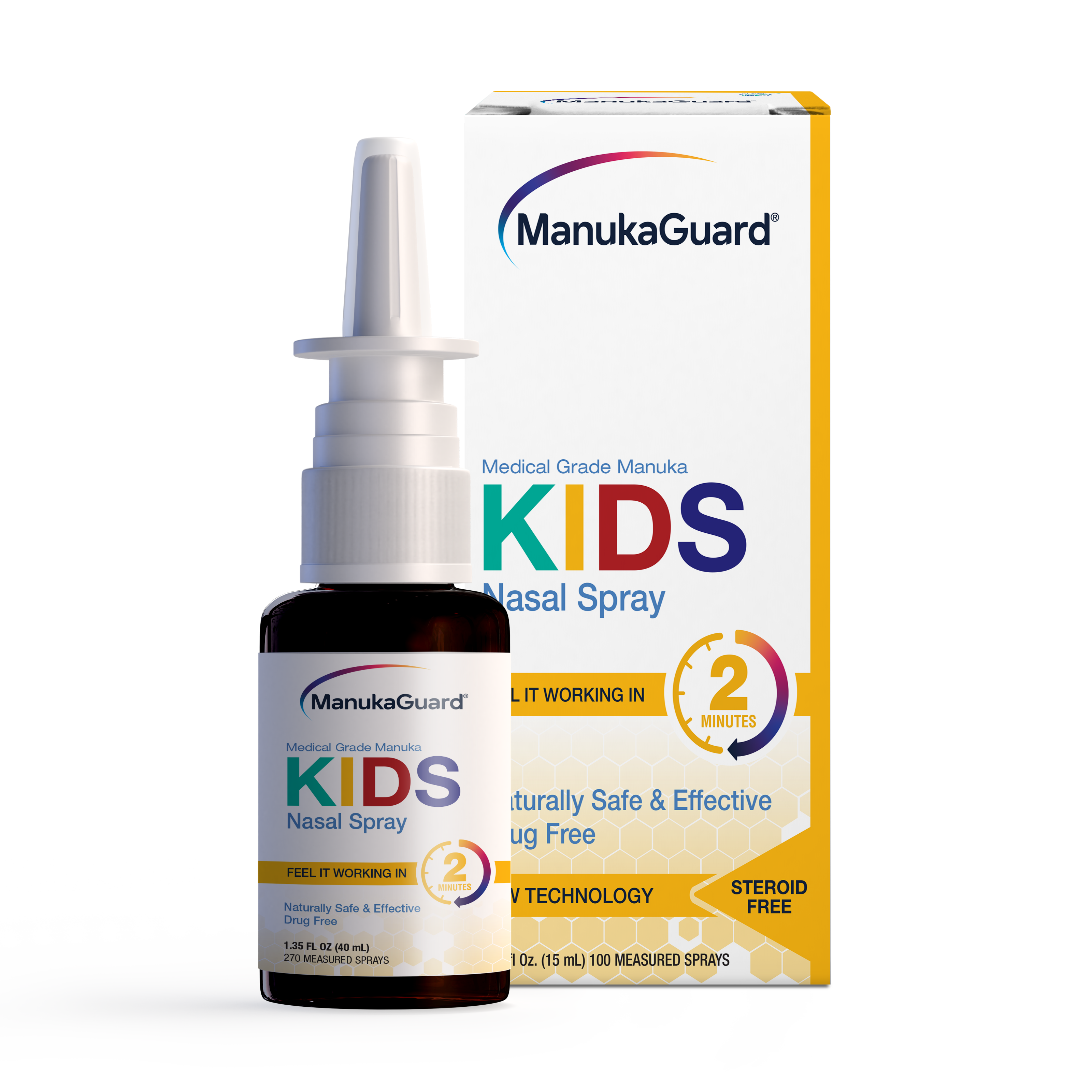
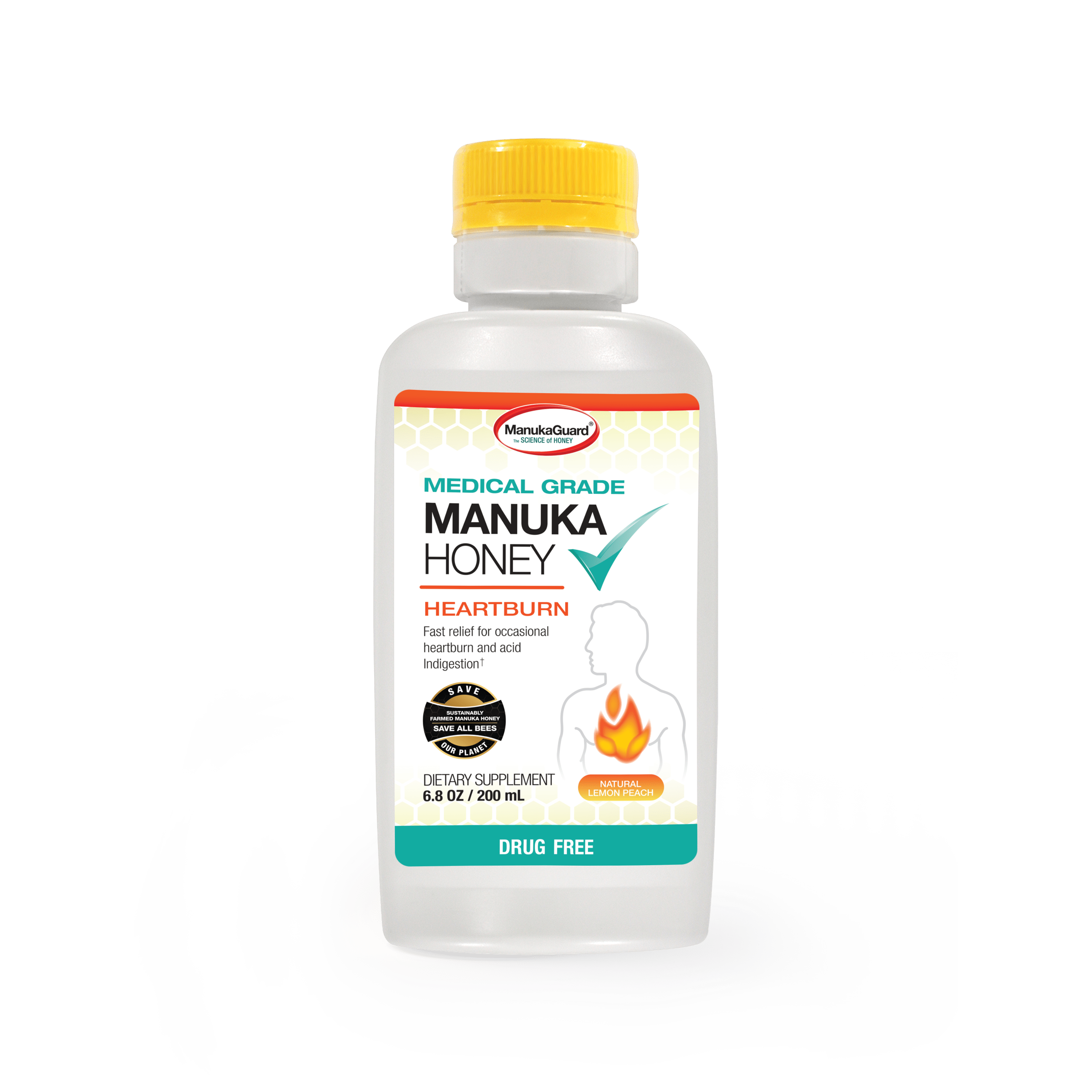
Honey-based nasal care is another option worth understanding. Medical Grade Manuka Honey is purified to remove impurities that are not naturally part of the honey. ManukaGuard nasal sprays combine this honey with saline in a fine mist, and our Deep Nasal Cleanse spray is the starting point for new customers wanting a routine nasal cleansing and hydration spray. For honey-based nasal care in allergy season, our guide on using medical grade honey for allergies explains the routine.
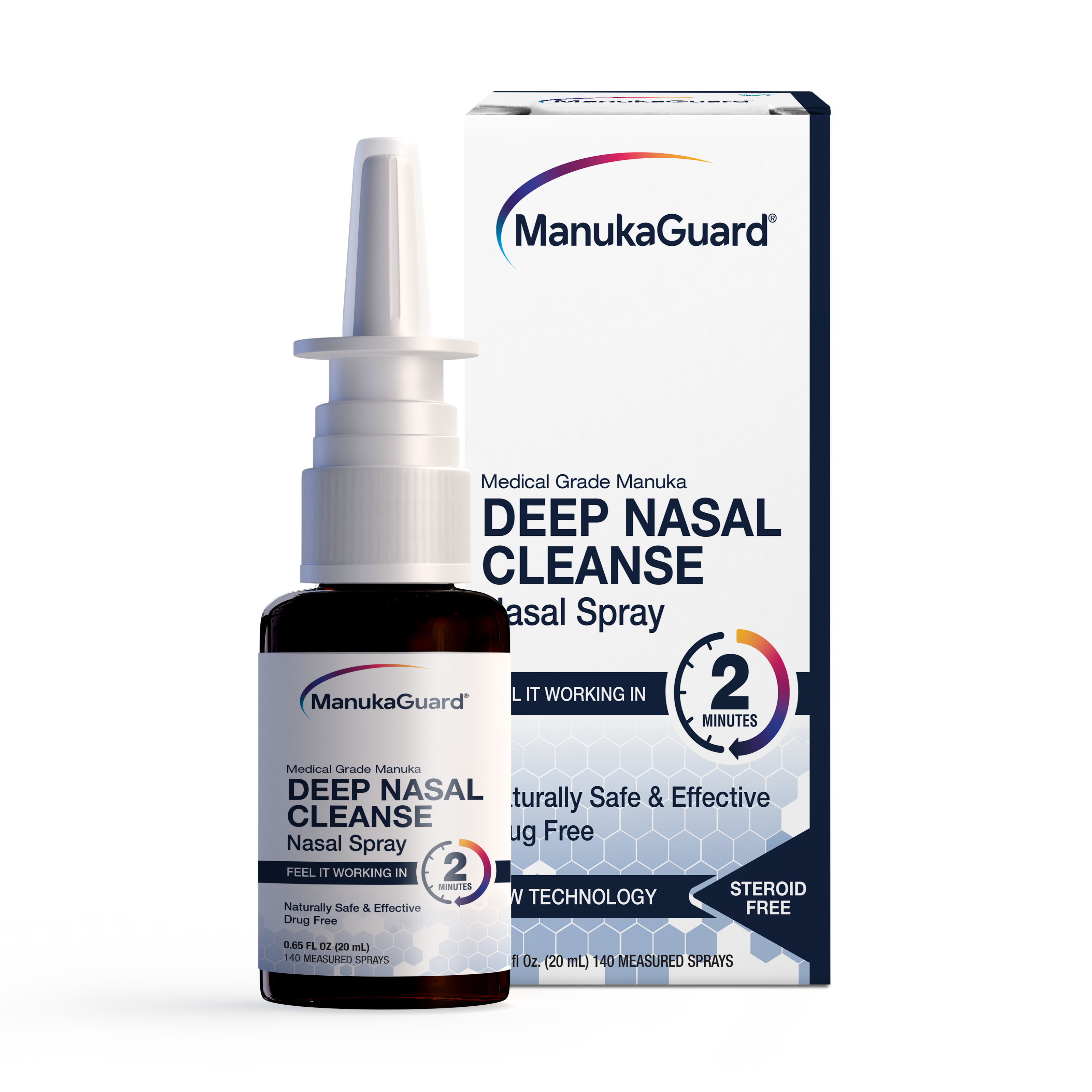
Sinus inflammation rarely resolves overnight, and the trial-and-error of home remedies gets old fast. ManukaGuard makes that routine simpler with Medical Grade Manuka Honey nasal sprays that cleanse and moisturize nasal passages, batch-tested MGO potency on every label, and formulas made in cGMP-compliant facilities. Get started with ManukaGuard and build a nasal care routine you can actually stick to.
Frequently Asked Questions
What are the best natural remedies for sinus inflammation?
Saline nasal rinses, steam inhalation, warm compresses, and staying well hydrated are commonly used for sinus comfort. Pair these with rest and a humidifier, and see a doctor if symptoms last more than 10 days or worsen.
How long does sinus inflammation usually last?
Acute sinus inflammation typically clears within 10 days, though some cases linger up to four weeks. Chronic sinusitis is defined as symptoms lasting 12 weeks or longer. If your sinus pressure, congestion, or facial pain has not improved after 10 days, or if it improves and then returns, that is a sign to seek medical attention. A doctor can check whether a bacterial sinus infection is involved rather than simple inflammation.
Are saline rinses safe to use for sinus congestion?
Saline nasal rinses are generally safe when done correctly. Use distilled, sterile, or previously boiled and cooled water, never untreated tap water. Rinse the device after each use and let it air dry. A saline nasal rinse for sinus congestion loosens mucus and clears irritants, but if you have severe pain, fever, or symptoms that persist beyond 10 days, check with a doctor before relying on rinses alone.


 23.November.2026