

 Editorial Team
 24 November 2026
Last Updated: November 24, 2026


Quick Summary
Scientific research matters for honey because it separates verified bioactivity from label decoration, measuring what a label claims instead of trusting it. Batch-level lab testing confirms MGO potency, purity, and authenticity, so why scientific research matters for honey comes down to evidence you can check rather than a promise.
- A 2017 review examined honey's phytochemical, anti-inflammatory, antimicrobial, and antioxidant properties while noting the evidence's limits.
- MGO levels can vary from harvest to harvest, so batch-level lab testing matters for confirming potency.
- Commercial beekeepers lost 1.6 million colonies and averaged 62% losses between June 2024 and March 2025.
- The USDA Agricultural Research Service groups threats to bees into parasites, pathogens, poor nutrition, and pesticide exposure.
- Ask for a lab result for the specific batch, and treat a vague answer as your answer.
Table of Contents
- Why does scientific research matter for honey?
- How honey studies and honey quality testing protect what you buy
- Honey authenticity testing and bee health and honey production
- Frequently Asked Questions
Why does scientific research matter for honey?
Understanding why scientific research matters for honey starts with how it separates verified bioactivity from label decoration. Our science explains the approach and testing standards behind our claims.
How honey studies and honey quality testing protect what you buy
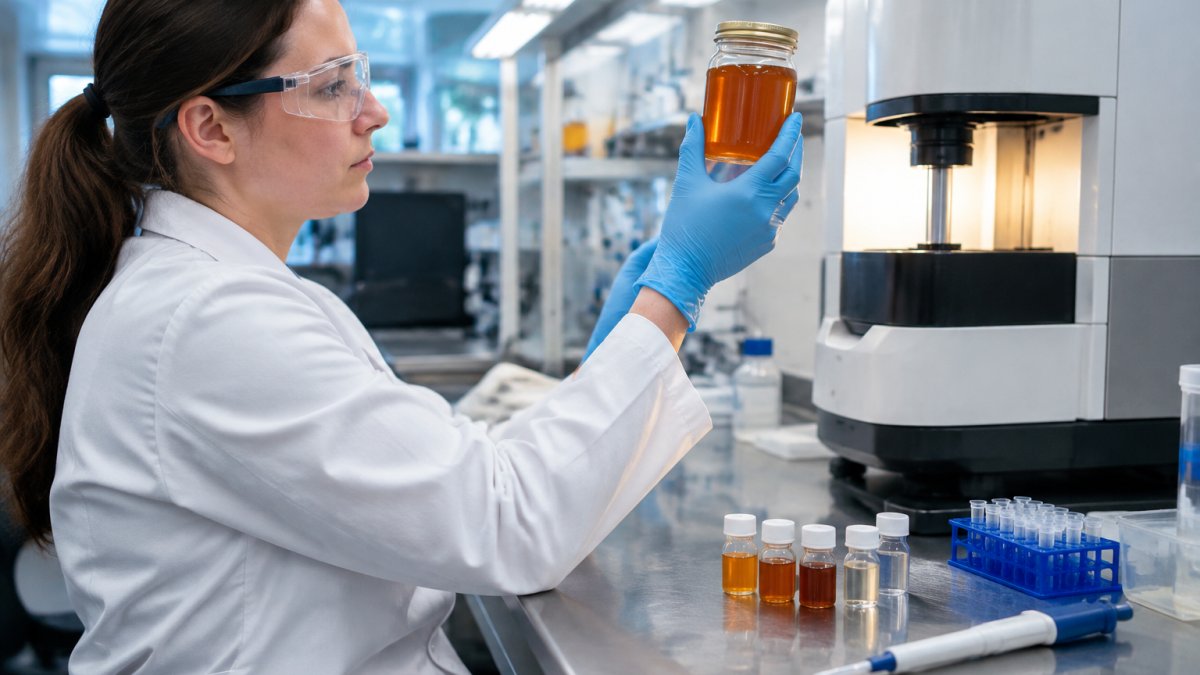
Honey studies and honey quality testing protect buyers by measuring what a label claims instead of trusting it. A 2017 review of clinical research on honey examined honey's phytochemical, anti-inflammatory, antimicrobial, and antioxidant properties while noting the evidence's limits. MGO levels can vary from harvest to harvest, so batch-level lab testing matters, if a company can't show a lab result for your specific batch, the MGO rating is a promise without a receipt. We built our lab-tested medical-grade Manuka honey around that principle: every batch is tested and blended to meet the exact MGO grade on the label. For the deeper evidence, see the benefits of medical-grade Manuka honey.
| What the label claims | What research checks | Why it matters to you |
|---|---|---|
| MGO rating | Batch-level methylglyoxal testing | Confirms potency, not just a harvest average |
| "Medical grade" | Purity and adulteration screening | Separates clinical honey from table honey |
| "Manuka" | Pollen and marker verification | Rules out blended or mislabeled honey |
Honey authenticity testing and bee health and honey production
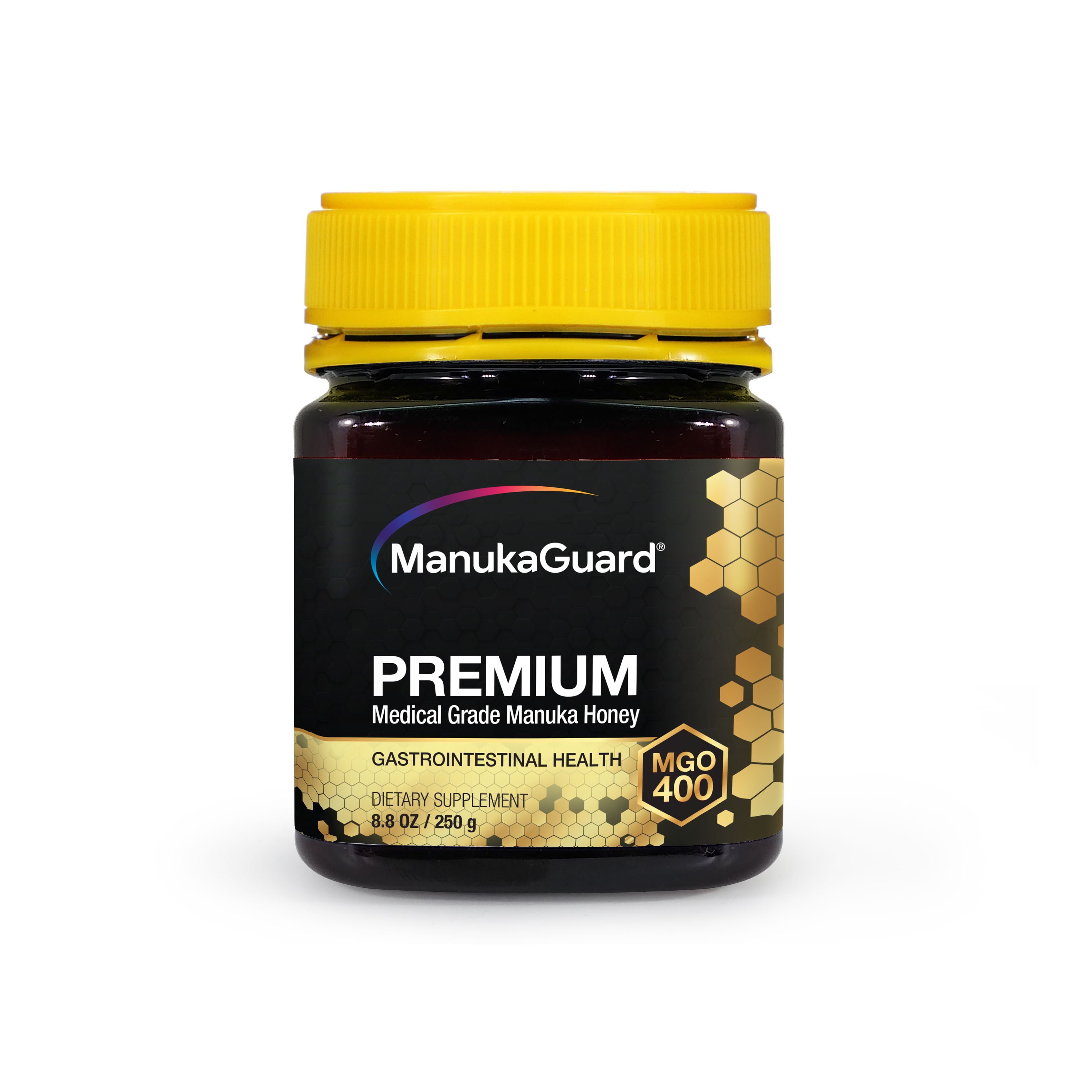
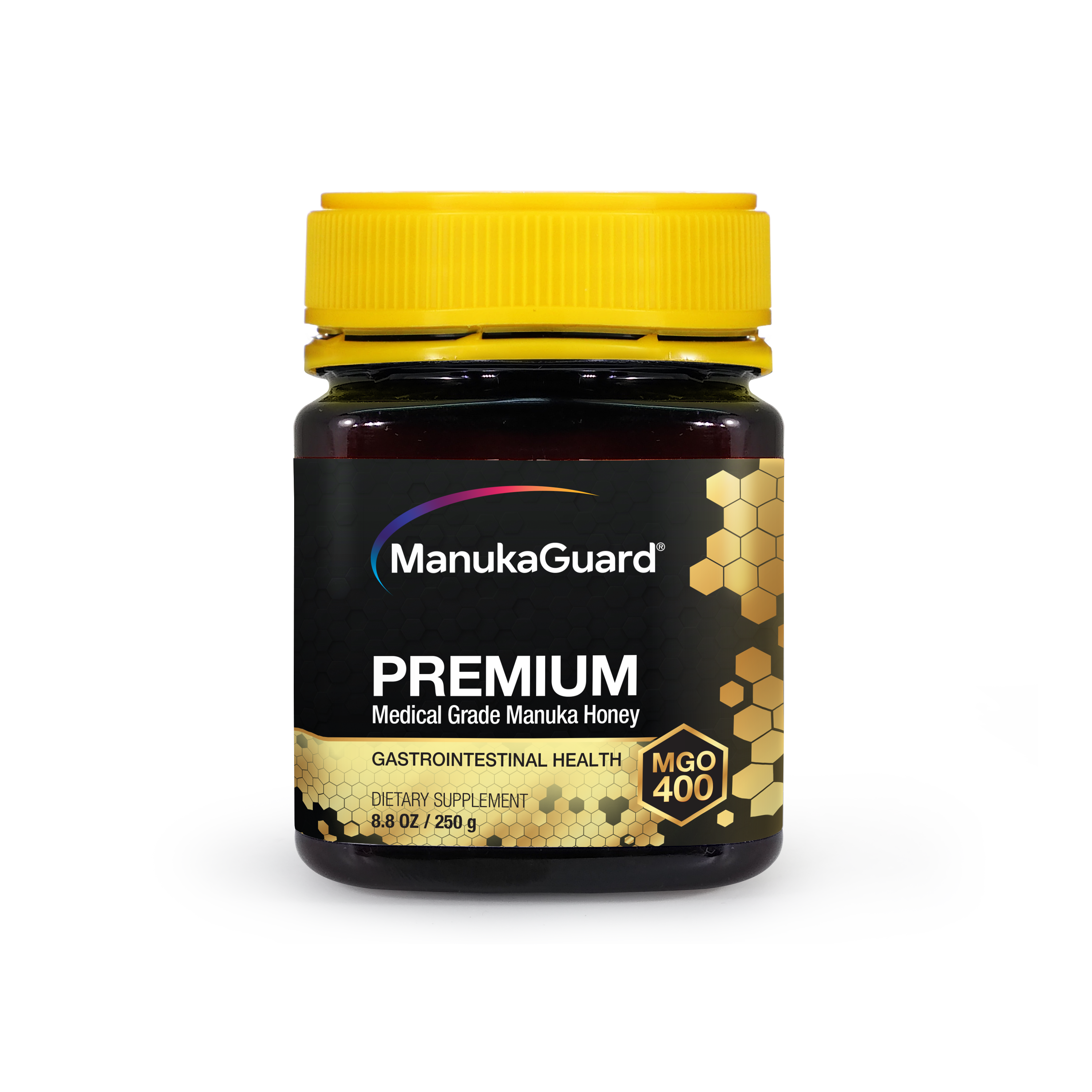
Authenticity testing and bee health are two ends of one supply chain. Commercial beekeepers lost 1.6 million colonies and averaged 62% losses between June 2024 and March 2025, per the Honey Bee Health Coalition colony loss reporting, with threats grouped by the USDA Agricultural Research Service into parasites, pathogens, poor nutrition, and pesticide exposure. Stressed colonies can produce more variable honey, which is one more reason authenticity testing screens for adulteration and confirms stated MGO content. New to labels? Our guide on how to read a Manuka honey label covers MGO, UMF, and the badges worth ignoring, and our review of Manuka honey side effects lays out what to watch for. A 2018 transdisciplinary study on honey bee health argues colony decline needs scientists, beekeepers, and farmers working together. For buyers, that means one habit: ask for a lab result for the specific batch, and treat a vague answer as your answer. Our Premium Medical Grade Manuka Honey MGO 400 is MGO-certified and fully traceable.


Honey rewards buyers who ask harder questions, and the ones who skip the research end up paying premium prices for ordinary syrup. ManukaGuard exists to make that verification simple: MGO-certified Medical Grade Manuka Honey from New Zealand, strict batch testing for purity and potency, and patented delivery formats built over more than 15 years. Get started with ManukaGuard and know exactly what is in the jar before it reaches your shelf.
Frequently Asked Questions
How do researchers test honey for quality and authenticity?
Labs check pollen content, sugar ratios, moisture and specific marker compounds. For Manuka honey, testing measures methylglyoxal (MGO) levels and confirms the honey meets the five standards required by New Zealand's Ministry for Primary Industries. Batch-level lab results are the clearest proof a brand can show, because MGO levels vary from one harvest to the next.
Why does bee health matter to honey production?
Commercial beekeepers have reported significant colony losses in recent years. Fewer healthy colonies mean less forage brought in and tighter honey supply. Research into parasites, pathogens, pesticides and nutrition helps beekeepers keep colonies strong, which protects both honey volume and quality.
Is honey actually healthy or is it just sugar?
Honey is mostly sugar, and research on its health effects is still developing. A 2017 review of clinical research noted potential roles linked to honey's phytochemical, anti-inflammatory, antimicrobial and antioxidant properties, but the authors cautioned that evidence is limited. Treat honey as a food with possible benefits, not a proven treatment, and look for brands that publish lab results for each batch.


 23.November.2026